Efficient Crude Oil Sludge Treatment

Where Sludge Accumulates

Crude oil sludge is the heavy residue that settles out of crude during refining and storage. It is a stable mixture of hydrocarbon, water and solids, and it is classed as waste for disposal purposes. The hydrocarbon fraction within it is recoverable, so the treatment question is how much of it can be taken back before the remainder is sent for disposal.

Composition

FractionOriginRecovery route
HydrocarbonHeavy ends, waxes and asphaltenes dropping out of the crudeRecovered and returned to process or sold
WaterFormation water and condensation held in the sludge matrixSeparated and treated, see contaminated water treatment
SolidsSand, scale, rust and catalyst carryoverDewatered to reduce the mass sent for disposal

Why the mixture is stable

Fine solids sit at the oil and water interface and hold the emulsion together, which is why sludge does not resolve on standing. Centrifugal force supplies the energy that gravity alone cannot, so the three fractions part in a single continuous operation.

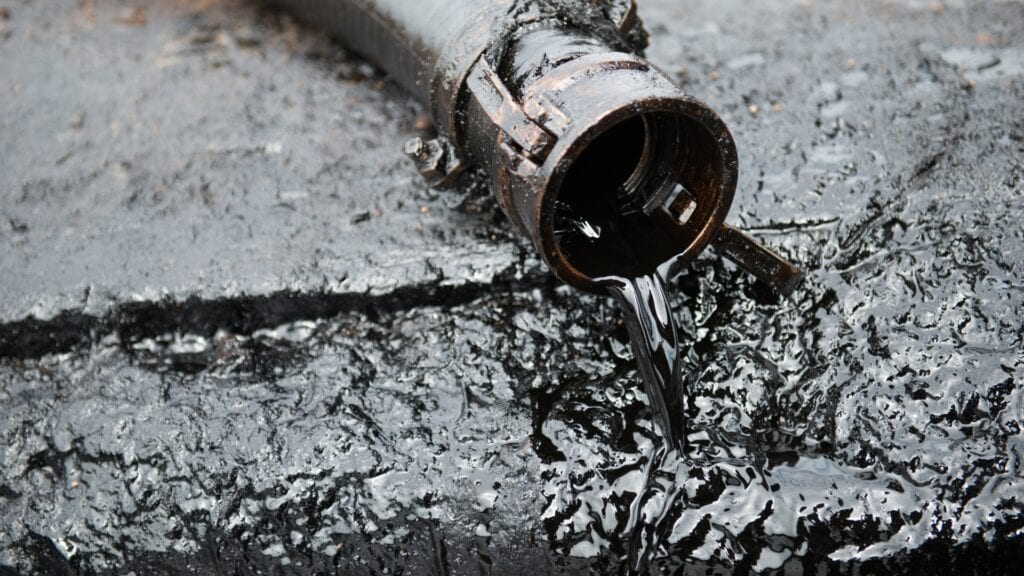
Heavy oil sludge discharging from a pipe outlet

Scope of Supply

Separators and decanters resolve the sludge into oil, water and solids. Recovery is set against the disposal volume, so the balance can be tuned to the economics of the site.

Units are handed over with an operation manual covering setup, running and discharge. On site support is available so that crew without prior experience of the equipment can run it.

Oil taken back out of the sludge is a product rather than a disposal cost, and the dewatered solids weigh and cost less to ship. For tank bottoms still in the vessel see tank sludge removal and cleaning.

Engineering FAQ

Can crude oil sludge be recovered?

The hydrocarbon fraction within it is recoverable. The treatment question is how much can be taken back before the remainder is sent for disposal.

What is crude oil sludge made of?

Hydrocarbon in the form of heavy ends, waxes and asphaltenes, water held in the sludge matrix, and solids such as sand, scale, rust and catalyst carryover.

Where does it accumulate?

It settles out of crude during refining and storage, and is classed as waste for disposal purposes until the recoverable fraction is taken back.

Talk to an Engineer

Send an analysis of the sludge, the volume held and the disposal route available to you. We will return a configuration and a scope of supply. See also slop oil treatment.