Efficient Tank Sludge Removal and Cleaning Treatment

Why Tanks Are Cleaned

Sludge builds on the floor of a storage tank from settled solids, water and heavy hydrocarbon. Left in place it takes up working capacity, distorts level and quantity measurement, and holds hydrocarbon that would otherwise be sold.

DriverConsequence if cleaning is deferred
Lost capacityWorking volume falls while the tank still occupies the same footprint
Product qualitySediment disturbed on filling carries into the delivered product
Inspection accessStatutory internal inspection cannot proceed with sludge in place
CorrosionWater held under the sludge layer attacks the tank floor out of sight
Recoverable oilHydrocarbon in the sludge is written off as disposal rather than sold

Cleaning sequence

PhaseActivity
IsolationTank taken out of service, drained and made safe for entry
Sludge mobilisationDeposits fluidised so they can be pumped rather than dug out
SeparationSludge treated on site into oil, water and solids, see crude oil sludge treatment
CleaningTank internals cleaned to the standard required for inspection or return to service
HandoverTank released, recovered oil returned, residues routed to approved disposal

Sludge is fluidised and pumped out rather than dug out, and is treated on site as it comes. That keeps the work continuous and shortens the period the tank is out of service.

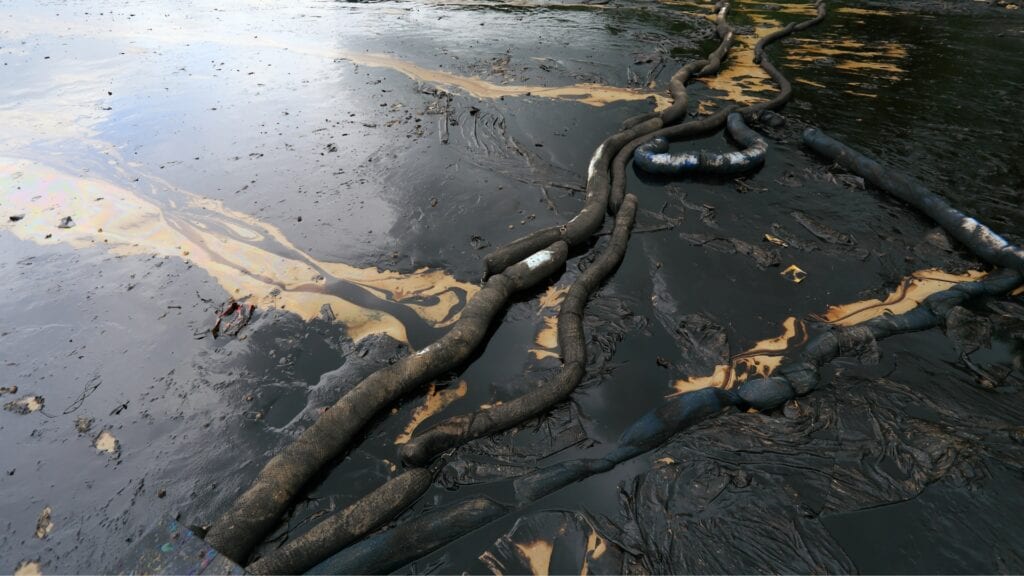
Heavy oil residue held on a water surface by containment booms

Delivery on Site

Work is planned around the outage window, because the cost of a tank cleaning campaign is usually dominated by the time the tank is out of service rather than by the cleaning itself. Other services: services.

Every tank differs in the depth and character of its deposit, its internal fittings and the standard it must be returned to. The scope is set after survey rather than from a standard package.

Tank cleaning is confined space work in a hydrocarbon atmosphere. Technicians are trained to the procedures that apply, and residues leave site through approved disposal routes.

Engineering FAQ

Why are storage tanks cleaned?

Sludge takes up working capacity, disturbs level and quantity measurement, holds hydrocarbon that could be sold, hides water that attacks the tank floor, and blocks statutory internal inspection.

Is the sludge dug out?

No. Deposits are fluidised so they can be pumped out rather than dug out, which keeps the work continuous.

How is the outage shortened?

Sludge is treated on site as it comes, so extraction and separation run together rather than the tank waiting on material being hauled away for treatment elsewhere.

Talk to an Engineer

Send the tank dimensions, the estimated sludge depth and the outage window available. We will return a scope of work and a mobilisation plan. See also crude oil sludge treatment for the separation duty itself.