Efficient Slop Oil Treatment

Where Slop Oil Arises

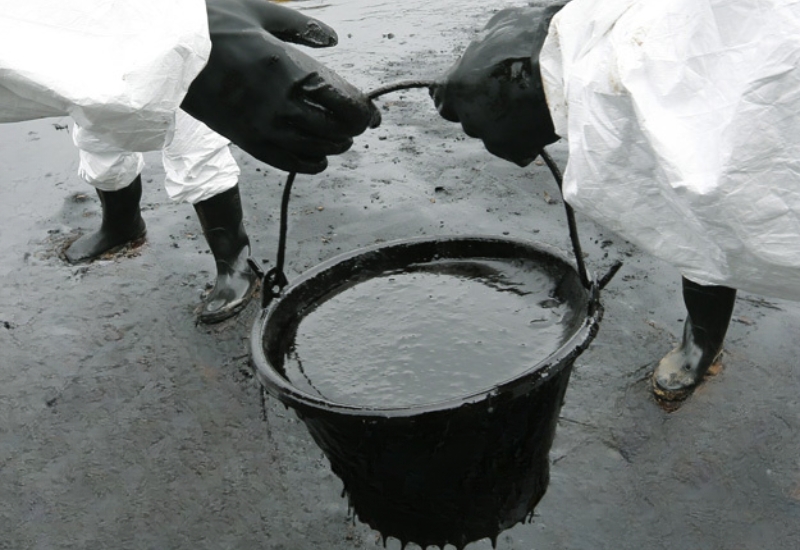
Slop oil is the mixed oil, water and solids collected across production, storage and maintenance. It is not waste in itself: the hydrocarbon fraction has value once it is separated cleanly, and the remaining water and solids become far cheaper to handle when the oil is out of them.

SourceTypical content
Tank drainage and dewateringOil with free water and light settled solids
Vessel and pipeline cleaningOil, wash water, scale and corrosion products
Interceptor and separator skimmingsOil, water and fine silt
Process upsets and slop tanksHighly variable oil to water ratio

Separation into three phases

A decanter or separator resolves the mixture into three streams in one operation, using the density difference between oil, water and solids under centrifugal force.

Output streamRoute
Recovered oilReturned to process or sold, once free of water and solids
Separated waterPassed to water treatment, see contaminated water treatment
Separated solidsDewatered for approved disposal, reducing the volume shipped

Scope of Supply

Separators and decanters resolve water, solids and oil in a single pass, so the recoverable hydrocarbon is taken out rather than shipped away as waste.

The equipment is selected against the oil to water ratio, the solids loading and the target quality of the recovered oil, rather than fitted from a standard package.

Rental units are sized to the project, from short campaigns to extended operations, and are skid mounted for transport and quick installation on site.

Each unit is handed over with an operation manual covering setup, running and shutdown. Operators can be supplied with the unit where site crew are not available.

Engineering FAQ

Is slop oil a waste stream?

No. The hydrocarbon fraction has value once it is separated cleanly, and the remaining water and solids become far cheaper to handle once the oil is out of them.

What does slop oil treatment produce?

Three streams in one operation, oil, water and solids, resolved by the density difference between them under centrifugal force.

Where does slop oil come from?

Tank drainage and dewatering, vessel and pipeline cleaning, interceptor and separator skimmings, and process upsets collected in slop tanks.

Talk to an Engineer

Send the composition of the slop, the volume held and the target quality for the recovered oil. We will return a configuration and a scope of supply. See also crude oil sludge treatment and slop water treatment.