Efficient Wastewater Treatment Solution

The Regulatory Driver

Industrial wastewater leaves a site under a consent that fixes what may be discharged and at what concentration. Meeting that consent is a condition of operating, not an optional improvement. Mechanical separation removes the suspended and dispersed load that carries most of the contamination.

Mechanical and chemical treatment compared

Mechanical separationChemical treatment
Acts onDensity difference between phasesChemical binding and coagulation
ConsumablesNone inherent to the separationContinuous reagent dosing
Residue producedDewatered solids and recovered oilChemical sludge requiring its own disposal
Response to feed changeAdjusted by throughput and discharge intervalRequires redosing and settling time

The two are not exclusive. Mechanical separation is normally placed first, so that any chemical stage downstream is dosing a much lighter load. See also contaminated water treatment.

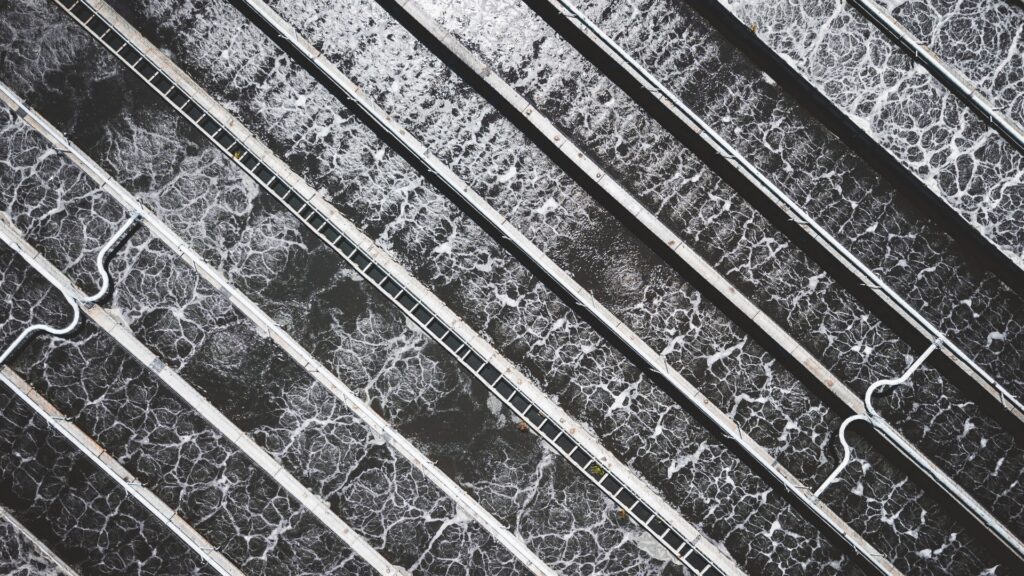
Aerial view of industrial wastewater treatment basins

Scope of Supply

Effluent leaving the treatment stage is brought toward the standard set in the site consent, so that discharge to the receiving water is made within the permitted condition.

Unit size and configuration are set against the flow and the contaminant load, and can be changed as the project scope changes. Each unit is handed over with an operation manual.

Rental removes the need for capital investment in fixed treatment infrastructure, which suits short and medium term projects and campaigns of uncertain duration.

Trained operators can be supplied with the unit, so the equipment is run correctly from the first day and downtime during the campaign is limited.

Engineering FAQ

How does mechanical separation compare with chemical treatment?

Mechanical separation acts on the density difference between phases, consumes nothing inherent to the separation and leaves dewatered solids and recovered oil. Chemical treatment acts by binding and coagulation, needs continuous dosing, and produces a chemical sludge requiring its own disposal route.

Can the two be combined?

Yes. They are not exclusive. Mechanical separation removes the suspended and dispersed load that carries most of the contamination.

Why is the discharge consent not optional?

Industrial wastewater leaves a site under a consent that fixes what may be discharged and at what concentration. Meeting it is a condition of operating.

Talk to an Engineer

Send the flow rate, an analysis of the effluent and the consent condition that applies at your site. We will return a configuration and a scope of supply. Related duties: slop water treatment and produced water treatment.